Food storage rotation done right: the FEFO method
A stockpile you never rotate quietly turns into a pile of expired cans and wasted money. Here's the simple system, first-expired-first-out, that keeps it fresh, and how to make it run itself.
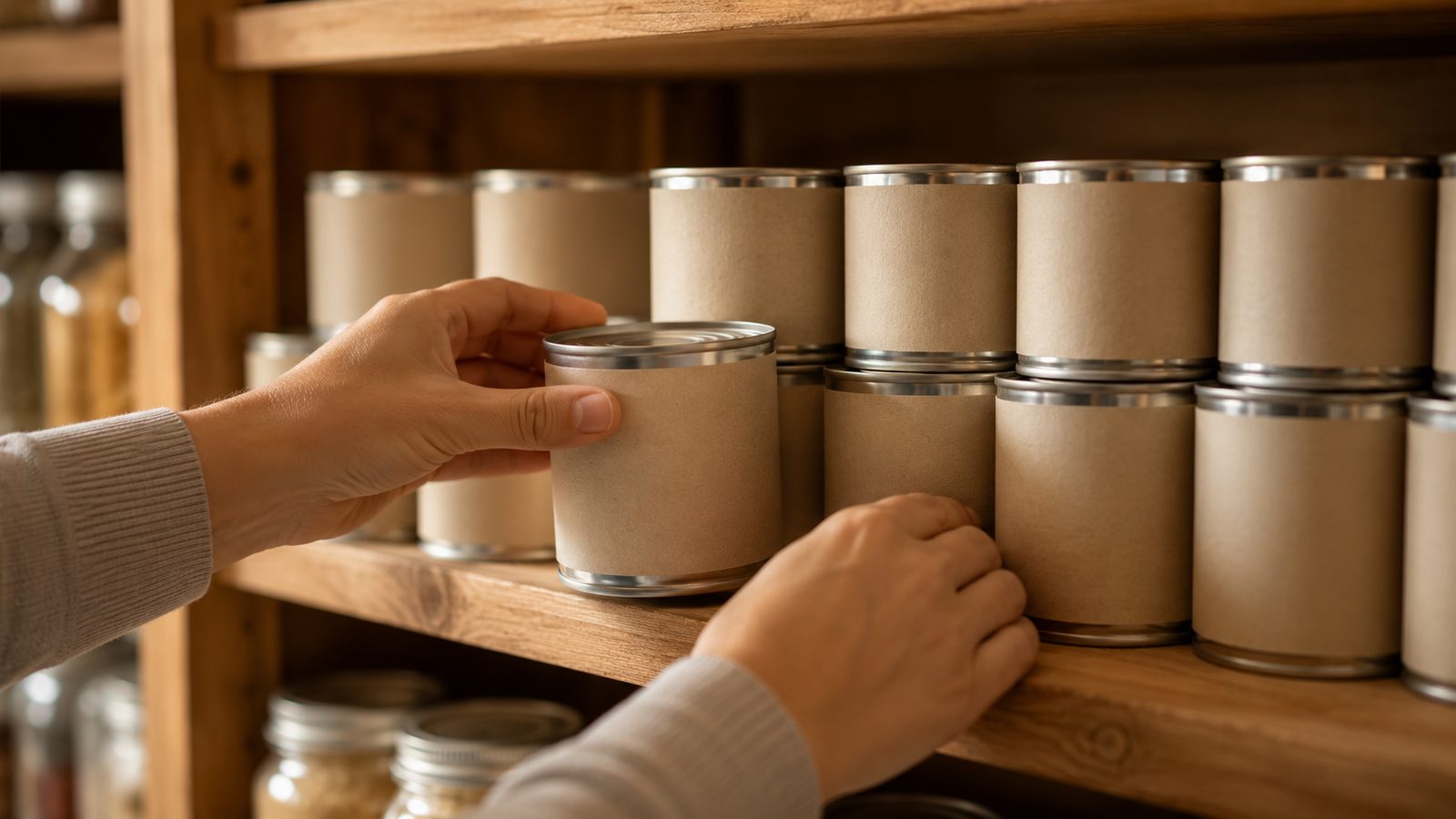
Rotation in action: nearest-to-expire to the front, newest to the back.
The dirty secret of prepping is shrinkage. You stock up, feel ready, and two years later find half the shelf is out of date. Rotation is the discipline that prevents it, and once you know the rule, it takes seconds.
Why rotation matters more than buying more
Every expired item is two losses: the money you spent, and the readiness you thought you had. A stockpile is only as good as the food in it that's still safe to eat. Rotation keeps your supply fresh, trusted, and genuinely countable, which is the whole point of storing it.
FIFO vs FEFO: use the right one
Warehouses use two rules, and the difference matters for preppers:
- FIFO — First-In-First-Out: use the oldest purchase first. Simple, but it assumes older stock always expires first.
- FEFO — First-Expired-First-Out: use the nearest expiration date first, no matter when you bought it. Safer, because a recently bought can can have an earlier date than one from last year.
How to FEFO your stockpile in four steps
- Record the expiry date of every item as it comes in, not just the product but the specific batch.
- Shelve nearest-to-expire at the front so the next thing you grab is the next thing to expire.
- Replace what you use right away, adding the new item with its own date behind the older stock.
- Set a reminder before anything reaches its date, so you can eat it on purpose instead of binning it.
Common rotation mistakes
- Tracking the product but not the batch, so two cans with different dates look identical.
- Relying on memory or a Sharpie line that fades and gets ignored.
- Stocking food the family won't eat, so it's never pulled into rotation at all.
- No reminder window, so you only notice an item the day after it expires.
Make FEFO automatic
FEFO by hand works until your stockpile grows past a couple of shelves. After that, an app earns its place: it tracks each batch by date, shows color-coded status, tells you exactly which lot to use next, and reminds you before anything turns.
The bottom line
Rotation isn't glamorous, but it's what separates a real stockpile from a shrine to good intentions. Record dates, use nearest-to-expire first, replace as you go, and set reminders. Do that, by hand or with an app, and your supply stays fresh and countable. Next, see how to make expiry tracking effortless in our guide to tracking expiration dates.
FAQ
What is FEFO?+
FEFO stands for First-Expired-First-Out: you use the item with the nearest expiration date first, regardless of when you bought it. It keeps a food stockpile fresh and minimizes waste.
What's the difference between FIFO and FEFO?+
FIFO uses the oldest purchase first; FEFO uses the nearest expiration date first. For food storage, FEFO is safer because purchase date and expiry date don't always line up.
How do I rotate my emergency food supply?+
Track each item's expiry date, always use the nearest-to-expire stock first, replace what you use, and set reminders. An app like Stockpile automates FEFO so you never lose a can to a forgotten date.